


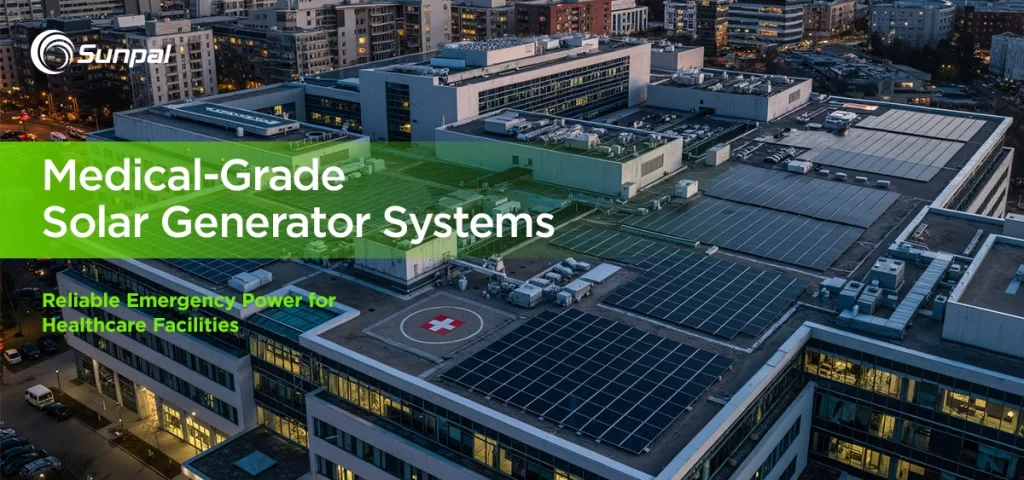
Introduction: Emergency Power as a Healthcare Survival Requirement
Healthcare systems worldwide are facing a new reality. Power disruptions caused by extreme weather, grid instability, and infrastructure aging are increasing in both frequency and duration. For hospitals, clinics, and emergency medical facilities, electricity is not merely an operational resource—it is a life-preserving necessity.
Critical medical equipment such as ventilators, infusion pumps, diagnostic imaging devices, and cold-chain storage systems require continuous, high-quality power. Even momentary interruptions can result in equipment failure, data loss, or direct risks to patient safety. In response, healthcare operators are re-evaluating traditional backup power strategies and turning toward medical-grade solar generator systems as a resilient, clean, and scalable solution.
Power Reliability Challenges in Emergency Medical Environments
Medical facilities operate under stricter electrical requirements than most commercial buildings. Power systems must deliver stable voltage, precise frequency control, and immediate backup activation to support sensitive electronic equipment.
Traditional emergency power solutions present clear limitations:
- Diesel generators depend on fuel logistics that often fail during disasters
- Startup delays can cause short but dangerous power gaps
- Noise and emissions are incompatible with patient-care environments
- Maintenance requirements increase long-term operational risk
Meanwhile, grid-reliant backup systems remain vulnerable to regional blackouts and infrastructure damage. These challenges have accelerated demand for solar generator systems designed specifically for emergency healthcare applications, where reliability and power quality are non-negotiable.
What Defines a Medical-Grade Solar Generator System
A medical-grade solar generator system differs fundamentally from consumer or recreational solar power solutions. These systems are engineered to meet clinical-grade performance, safety, and reliability standards.
Core requirements include:
- Pure sine wave AC output with ultra-low harmonic distortion
- Instantaneous power transfer with zero interruption
- Redundant battery and inverter architecture
- Intelligent load prioritization for critical equipment
- Compliance with international electrical and safety standards
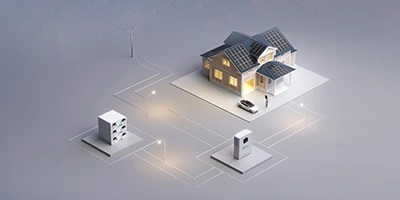
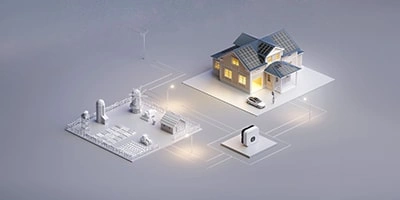
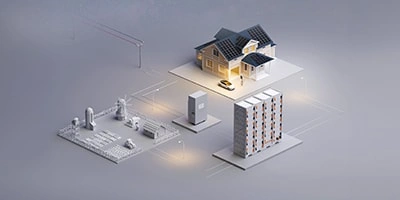
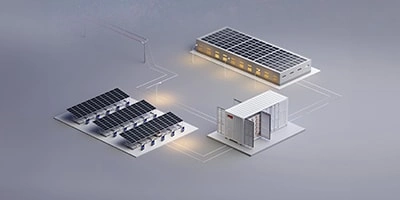
By integrating solar photovoltaic modules, advanced inverters, and lithium energy storage, medical-grade systems ensure uninterrupted power delivery under emergency conditions.
Chart 1: Power Outage Impact on Healthcare Operations
| Impact Category | Percentage of Reported Incidents |
| Equipment shutdown or malfunction | 38% |
| Emergency service interruption | 24% |
| Cold-chain failure (vaccines/medicines) | 17% |
| Data and monitoring system loss | 12% |
| Other operational disruptions | 9% |
Key Insight:
Over 60% of outage-related incidents directly affect life-supporting equipment or emergency services, underscoring the necessity of medical-grade backup power systems rather than standard generators.
System Architecture of Medical-Grade Solar Generator Solutions
Medical-grade solar generator systems rely on a tightly integrated architecture designed for stability, scalability, and rapid deployment.
Solar PV Generation
High-efficiency solar panels are optimized for:
- Variable weather conditions
- Low-light performance
- Continuous daytime charging during emergencies
Medical-Grade Inverter Systems
Inverters are designed to provide:
- Stable voltage output
- Precise frequency control
- Seamless switching between power sources
Lithium Battery Energy Storage
Lithium batteries enable:
- Immediate power response
- High cycle life for frequent backup use
- Compact installation in space-limited facilities
Intelligent Energy Management
Advanced control systems monitor power flow in real time and automatically allocate electricity to priority medical loads.
Chart 2: Comparison of Emergency Power Solutions for Healthcare Facilities
| Criteria | Diesel Generator | Grid Backup | Medical-Grade Solar Generator |
| Startup time | 10–60 seconds | Instant | Instant |
| Fuel dependency | Alta | Alta | None |
| Emissions | Alta | Bajo | Zero |
| Noise level | Alta | Bajo | Very low |
| Power quality stability | Medio | Alta | Muy alta |
| Maintenance demand | Alta | Bajo | Bajo |
| Suitability for sensitive medical equipment | Limited | Moderado | Excellent |
Key Insight:
Medical-grade solar generator systems deliver instant, fuel-independent, and clean power, making them uniquely suited for emergency medical environments.
Emergency and Healthcare Application Scenarios
Medical-grade solar generator systems are being adopted across diverse healthcare settings.
Hospitals and Emergency Departments
These systems ensure uninterrupted operation of:
- Intensive care units
- Operating rooms
- Diagnostic and imaging equipment
Mobile Clinics and Field Hospitals
Solar generator systems support:
- Rapid deployment in disaster zones
- Humanitarian and relief missions
- Temporary medical facilities
Rural and Off-Grid Medical Centers
For regions with unreliable grid access, solar generators provide independent, continuous power, improving healthcare accessibility and safety.
Medical Cold-Chain Protection
Stable solar-powered storage safeguards vaccines, blood products, and temperature-sensitive pharmaceuticals.
Chart 3: Global Growth of Solar Energy Adoption in Healthcare
| Año | Estimated Healthcare Facilities Using Solar Power |
| 2020 | 18% |
| 2022 | 26% |
| 2024 | 35% |
| 2026 | 47% |
| 2028 | 58% |
| 2030 (Projected) | 68% |
Key Insight:
By 2030, more than two-thirds of healthcare facilities globally are expected to integrate solar energy systems, driven by emergency preparedness and sustainability goals.
Industry Drivers Accelerating Medical-Grade Solar Generator Adoption
Several structural factors are reshaping emergency power strategies in healthcare:
- Increased frequency of natural disasters and extreme weather
- Rising regulatory pressure to reduce emissions
- Declining costs of solar panels and lithium batteries
- Growth of decentralized energy and microgrid systems
- Strong policy and NGO support for clean healthcare infrastructure
As a result, solar generator systems for medical emergencies are increasingly viewed as essential infrastructure rather than optional upgrades.
Sunpal's Role in Medical-Grade Solar Power Development
Sunpal contributes to the healthcare energy transition by providing integrated solar generator system solutions tailored to emergency and medical applications.
Key capabilities include:
- High-performance solar PV modules
- Advanced inverter and battery integration
- Customized system design for healthcare environments
- Compliance with international quality and safety standards
- Scalable deployment for hospitals, clinics, and mobile units
Sunpal's system-focused approach supports reliable power delivery in critical medical scenarios while aligning with long-term sustainability objectives.
Future Outlook: The Next Generation of Emergency Medical Power
Medical-grade solar generator systems are evolving toward greater intelligence and flexibility. Future developments include:
- Smart energy management with predictive analytics
- Modular, rapidly deployable power units
- Integration with hospital microgrids
- Hybrid solar-storage architectures for extended outages
As healthcare systems adapt to growing uncertainty, solar-powered emergency energy systems are becoming a cornerstone of resilient medical infrastructure.
Conclusión
Medical-grade solar generator systems address one of healthcare's most pressing challenges: ensuring uninterrupted, high-quality power during emergencies. By eliminating fuel dependency, reducing operational risks, and delivering stable electricity, these systems outperform traditional backup solutions in critical medical environments.As emergency preparedness becomes central to healthcare planning, solar generator systems are positioned to become a standard component of resilient, future-ready medical facilities worldwide.