



Sunpal Energy: Perspectivas sobre el Creciente Mercado del Carbono en África
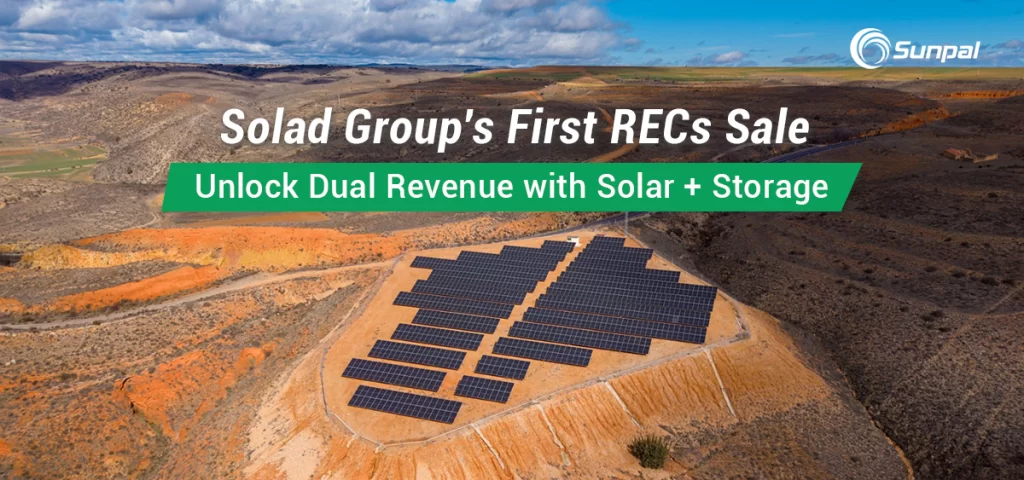
En marzo de 2026, el líder solar nigeriano Solad Power Group, a través de su subsidiaria Solad Integrated Power Solutions, completó su primera venta de Certificados Internacionales de Energía Renovable (I-REC).. Vinculado a la generación solar en el Mercado Iponri de Lagos y facilitado por Rivy, este hito marca una mayor integración de Nigeria en el mercado mundial de carbono. Para los desarrolladores solares de todo el mundo, esto señala una nueva y poderosa realidad: los proyectos renovables de alta calidad pueden generar ingresos no solo de la venta de electricidad, sino también de los atributos ambientales de la energía limpia en sí.
Este artículo explora la mecánica de los RECs, su creciente importancia en África y los mercados emergentes, y por qué la combinación de energía solar con almacenamiento de energía se está volviendo esencial para maximizar el valor de los créditos de carbono y los retornos del proyecto.
Comprensión de los RECs y el Mercado Global de Carbono Voluntario
Los Certificados de Energía Renovable (CER), también conocidos como I-CER en contextos internacionales, son instrumentos basados en el mercado que certifican los atributos ambientales de un megavatio-hora (MWh) de electricidad generada a partir de fuentes renovables como la solar, eólica o hidroeléctrica. Cuando se produce energía renovable y se vierte a la red (o se consume localmente en configuraciones fuera de la red), la electricidad física y sus atributos “verdes” pueden ser separados. El CER representa el atributo verde y puede venderse por separado, lo que permite a los compradores —típicamente corporaciones con objetivos de cero neto o de sostenibilidad— reclamar el uso de energía renovable y reducir sus emisiones de Alcance 2.
RECs vs Créditos de Carbono: Diferencias Clave
A diferencia de los créditos de carbono (que representan una tonelada métrica de CO₂ equivalente evitada o eliminada), los REC rastrean específicamente la producción de electricidad renovable. Se utilizan ampliamente en mercados voluntarios, donde las empresas los compran de manera proactiva para cumplir objetivos ESG, incluso sin mandatos regulatorios. Estándares globales como el I-REC Standard permiten que proyectos en regiones sin sistemas REC nacionales maduros — como gran parte de África, Asia y América Latina — accedan a compradores internacionales.
Cómo funcionan los REC
Proyectos Solares + Almacenamiento Maximizan el Valor de los REC
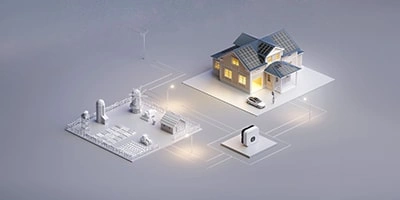
Generación de energía solar
Los paneles solares generan electricidad limpia a través de la conversión fotovoltaica.
Impacto en la industria
Cada MWh de generación solar crea un valor adicional de RECs más allá de las ventas de electricidad.
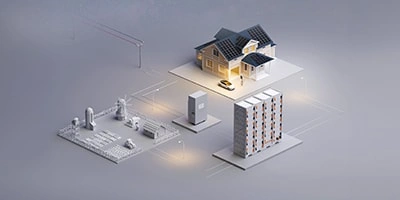
Electricidad Entregada
La electricidad renovable se consume localmente o se exporta a la red.
Impacto en la industria
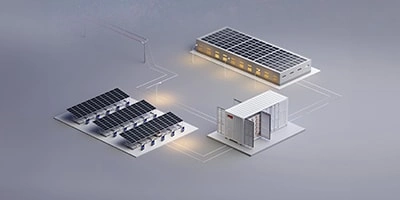
Solar + almacenamiento aumenta la utilización energética y la rentabilidad del proyecto.
Desagregación de REC
Los atributos ambientales están separados de la electricidad física.
Impacto en la industria
Esto crea una materia prima ambiental negociable en el mercado.
Emisión de REC
Se emite un REC por cada MWh de electricidad renovable generada.
Impacto en la industria
Los REC proporcionan una prueba verificada de la generación de energía renovable.
REC Market Trading
Los REC se venden a través de mercados voluntarios de energía renovable y de carbono.
Impacto en la industria
El trading crea un flujo de ingresos adicional para los propietarios de proyectos.
Reclamaciones de energía renovable
Los compradores retiran los RECs para apoyar los objetivos ESG y los compromisos de sostenibilidad.
Impacto en la industria
La fuerte demanda de REC acelera el despliegue de energías renovables en todo el mundo.
Tendencias del Mercado y Perspectivas de Crecimiento
El mercado voluntario de certificados de energía renovable (REC) está experimentando un fuerte crecimiento. Con un valor estimado de entre 23 000 y 28 000 millones de dólares en 2025, se prevé que se expanda significativamente entre 2030 y 2035 a una tasa de crecimiento anual compuesta (CAGR) del 10-14 %, impulsado por los compromisos corporativos de cero emisiones netas, la caída de los costes de las energías renovables y la creciente demanda de atributos ecológicos verificables. Los proyectos solares representan una parte sustancial y creciente de las emisiones.
África'Oportunidad Emergente
En África, la oportunidad es particularmente atractiva. El continente posee abundantes recursos solares, pero se enfrenta a escasez crónica de energía y una alta dependencia de generadores diésel. Marco Nacional de Mercado de Carbono y Política de Activación de Nigeria tener como objetivo desbloquear entre USD 2.500 y 3.000 millones anuales en financiación climática para 2030. La transacción de Solad, vinculada a una instalación solar que sirve a un mercado local, demuestra cómo incluso los proyectos a pequeña o mediana escala pueden monetizar los atributos de la energía limpia. No solo proporciona ingresos adicionales a los desarrolladores, sino que también mejora la viabilidad financiera de los proyectos, atrae inversión internacional y apoya el acceso local a la energía.
Los analistas destacan que los REC africanos de alta calidad pueden obtener primas cuando demuestran adicionalidad, un monitoreo sólido y un impacto comunitario positivo. El éxito de Solad establece un punto de referencia, demostrando que el comercio estructurado de carbono puede reducir el costo efectivo de desplegar infraestructura solar al tiempo que promueve la inclusión energética. A medida que más corporaciones buscan energías renovables de origen africano para diversificar sus carteras, la región está posicionada para capturar una mayor parte del mercado voluntario global.
Para los desarrolladores, el mensaje es claro: diseñar proyectos teniendo en cuenta la monetización de REC desde el primer día puede mejorar drásticamente las tasas internas de retorno (TIR) y acelerar los períodos de recuperación.
Por qué la energía solar + almacenamiento de energía es la clave para los REC y créditos de carbono de alta calidad
La energía solar por sí sola enfrenta desafíos inherentes en los mercados de carbono y la certificación de RECs: la intermitencia. La generación varía con el clima, la hora del día y la estación, lo que hace que la producción sea menos predecible y más difícil de verificar de manera consistente. Los compradores de RECs y los directores de sostenibilidad corporativa priorizan cada vez más los atributos de “alta calidad”: energía limpia despachable, verificable y respaldada por adicionalidad que brinda un valor real a la red o a la comunidad.
El papel del almacenamiento de energía en la optimización de los RECs
Aquí es donde el almacenamiento de energía, en particular los sistemas de almacenamiento de energía en baterías de fosfato de hierro y litio (LiFePO4) (BESS), se convierte en un punto de inflexión. Al combinar la energía solar con el almacenamiento, los desarrolladores crean sistemas híbridos capaces de suministrar energía estable y programable. Esto mejora las tasas de autoconsumo, reduce la limitación, permite la participación en mercados más lucrativos (como la reducción de picos o los servicios auxiliares) y genera registros de datos más limpios y fiables, esenciales para los requisitos de MRV (medibles, informables y verificables) en los protocolos de REC y créditos de carbono.
Sunpal'Soluciones Solares + Almacenamiento
Sunpal Energy se especializa en soluciones integrales de energía solar y almacenamiento que abordan directamente estas necesidades. Con casi dos décadas de experiencia y exportaciones a más de 150 países, Sunpal ofrece módulos solares de alta eficiencia, inversores híbridos y sistemas de almacenamiento de energía (BESS) LiFePO4 avanzados, diseñados para aplicaciones residenciales, comerciales e industriales (C&I) y a escala de servicios públicos.
Las ventajas clave del enfoque solar + almacenamiento de Sunpal para la optimización de créditos REC/carbono incluyen:
- Capacidad de despacho y mayor utilización: Las soluciones de sistemas de almacenamiento de energía en baterías (BESS) en contenedores (por ejemplo, configuraciones de 500 kW/1 MWh, 1 MW/2 MWh y superiores) permiten almacenar y descargar la energía solar según la demanda. Esto minimiza el desperdicio de energía generada y maximiza los MWh aptos para la emisión de certificados de energía renovable (REC). Los proyectos con almacenamiento suelen alcanzar factores de capacidad efectiva entre un 20 % y un 40 % más altos en configuraciones híbridas.
- Cumplimiento superior de MRV: Los sistemas de Sunpal cuentan con un BMS (Sistema de Gestión de Baterías) y un EMS (Sistema de Gestión de Energía) inteligentes con monitorización en tiempo real, medición precisa y registro de datos. Estos proporcionan registros auditables de generación, almacenamiento y descarga, cruciales para la emisión de I-REC y la posible integración futura con metodologías más amplias de créditos de carbono. Funciones como la monitorización remota y la ciberseguridad garantizan la transparencia para los verificadores internacionales.
- Seguridad y longevidad de LiFePO4: Las celdas prismáticas LiFePO4 de Sunpal ofrecen más de 6500 ciclos, excelente estabilidad térmica y una vida útil de diseño de 10 a 15 años. A diferencia de otras químicas, la LFP no es inflamable y funciona bien en los calurosos climas africanos, reduciendo los riesgos operativos y los costos a largo plazo. Esta confiabilidad respalda la producción continua de REC durante toda la vida útil del proyecto.
- Flexibilidad del Sistema Híbrido Los inversores híbridos de Sunpal integran a la perfección energía solar, almacenamiento y respaldo diésel (cuando es necesario), lo que permite soluciones de microrred o fuera de red ideales para Nigeria y África Occidental. Estos sistemas respaldan las afirmaciones de “energía verde 24/7” que atraen a compradores de REC premium.
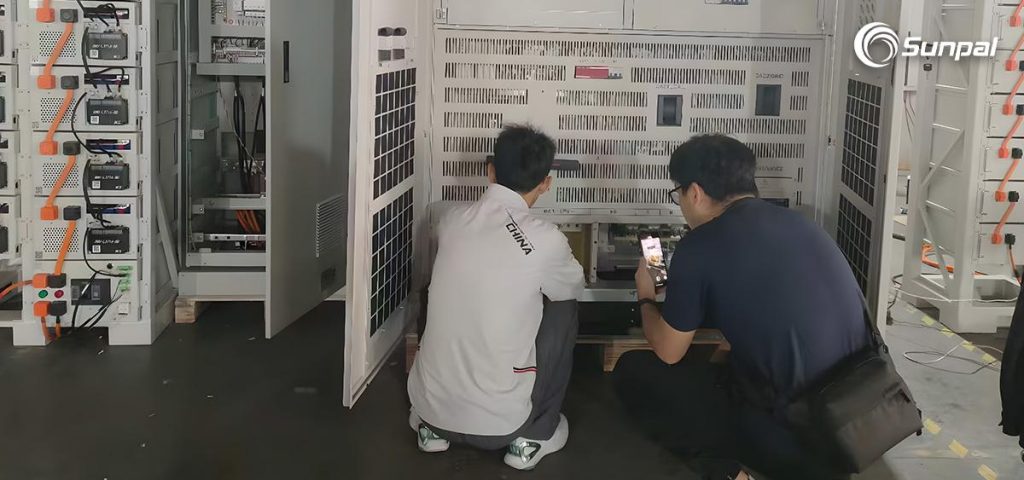
Beneficios Cuantificados y Comparación de Valor
Ejemplo de Beneficios Cuantificados: Considere un proyecto solar de 1 MW en Nigeria. Sin almacenamiento, la generación anual podría alcanzar entre 1.600 y 1.800 MWh con cierta limitación. La adición de un BESS de tamaño adecuado podría aumentar la producción utilizable a más de 2.000 MWh y al mismo tiempo proporcionar servicios a la red. A precios conservadores de REC de entre 5 y 15 USD por MWh (más altos para I-REC africanos de alta calidad), esto se traduce en decenas de miles de ingresos anuales adicionales, además de las ventas o ahorros de electricidad. La mejora de las condiciones de financiación debido a flujos de efectivo estables puede reducir aún más el coste medio ponderado del capital (WACC) entre 1 y 3 puntos porcentuales.
En aplicaciones C&I, Gabinete o contenedor BESS de Sunpal (125kW/261kWh hasta Múltiples MWh) ayudar a las fábricas y sitios comerciales a lograr un mayor autoconsumo, calificar para reducciones en los cargos por demanda y generar RECs bancables. Para proyectos de servicios públicos o microrredes como el modelo de Solad, el almacenamiento mejora la confiabilidad de las comunidades al tiempo que fortalece el valor de los activos de carbono.
El almacenamiento también protege los proyectos a futuro contra los estándares en evolución. A medida que los mercados se orientan hacia la adicionalidad y la verificación de emisiones evitadas, las energías renovables despachables respaldadas por almacenamiento se posicionan mejor para precios premium y una mayor elegibilidad.
Impacto en los ingresos: Proyectos solo de energía solar vs. energía solar + almacenamiento
Clasificación de mejora del rendimiento
| Métrica | Solo solar | Solar + Almacenamiento | Mejora | Mejora % |
|---|---|---|---|---|
| Producción Anual de Energía | 1,680 | 2,050 | +370 | 22.0% |
| Volumen elegible de RECs | 1,680 | 2,050 | +370 | 22.0% |
| Ingresos de los Certificados de Energía Renovable | 13,440 | 20,500 | +7,060 | 52.5% |
| Ventas/Ahorros de electricidad | 84,000 | 102,500 | +18,500 | 22.0% |
| Ingresos Anuales Totales | 97,440 | 123,000 | +25,560 | 26.2% |
| Costo Anual de O&M | 8,500 | 9,800 | +1,300 | 15.3% |
| Ingresos Netos Anuales | 88,940 | 113,200 | +24,260 | 27.3% |
| TIR del proyecto | 11.8% | 14.7% | +2.9% | 24.6% |
| Periodo de amortización | 7.8 | 6.4 | -1.4 | -17.9% |
| VAN | $1,85 m | $2,48 M | +$630k | 34.1% |
| Atractivo de financiación | 6.5 | 8.7 | +2.2 | 33.8% |
| Calidad del Crédito de Carbono | 6.0 | 8.8 | +2.8 | 46.7% |
Oportunidades y Prácticas Regionales Aplicaciones
África Occidental, liderada por Nigeria, representa una de las fronteras más prometedoras. Con el marco del mercado de carbono de Nigeria ahora activo y las ambiciones de desbloquear miles de millones en financiación climática, los proyectos de energía solar combinada con almacenamiento pueden servir a propósitos duales: impulsar el crecimiento económico y generar activos ambientales negociables. Dinámicas similares existen en Ghana, Kenia, Senegal y otros lugares, donde las redes eléctricas deficientes y los altos costos del diésel hacen que las centrales híbridas sean muy competitivas.
Escenarios de aplicaciones clave
- Sistemas Híbridos C&I: Las fábricas, centros de datos y propiedades comerciales utilizan Sunpal solar + BESS para reducir la costosa dependencia del diésel, estabilizar las operaciones y monetizar los atributos limpios excedentes.
- Mini-redes y electrificación rural: El almacenamiento garantiza el suministro vespertino y nocturno, mejorando los resultados de la comunidad y al mismo tiempo apoyando mayores volúmenes de Certificados de Energía Renovable.
- Aumentos a escala de servicios públicos: Añadir BESS a parques solares existentes o nuevos permite el desplazamiento de picos y servicios auxiliares, mejorando la economía general del proyecto.
- Micro-redes para Infraestructura Crítica: Hospitales, escuelas y torres de telecomunicaciones se benefician de energía resiliente con credenciales ecológicas verificables.
Sunpal ha respaldado implementaciones híbridas similares a nivel mundial, incluyendo proyectos de BESS contenerizados en Europa, Asia y mercados emergentes. Estas experiencias se traducen directamente a las condiciones africanas —altas temperaturas ambientales, polvo y redes variables— a través de robustos recintos con clasificación IP65 y controles adaptativos.
La financiación de proyectos mejora notablemente con los flujos de ingresos de los REC. Los prestamistas internacionales y los inversores de impacto ven cada vez más los híbridos listos para carbono como de menor riesgo, ofreciendo mejores ratios de cobertura del servicio de la deuda. Los promotores también pueden considerar la posibilidad de agrupar los REC con acuerdos de compra de energía (PPA) o venderlos por separado para obtener ingresos diversificados.
Aún persisten desafíos, incluidos los costos iniciales, la interconexión a la red y los gastos de certificación. Sin embargo, la caída de los precios de los BESS y la financiación innovadora (bonos verdes, préstamos vinculados al carbono) están reduciendo la brecha. Los diseños modulares y escalables de Sunpal ayudan a los desarrolladores a empezar poco a poco y a expandirse, mitigando el riesgo de capital inicial.
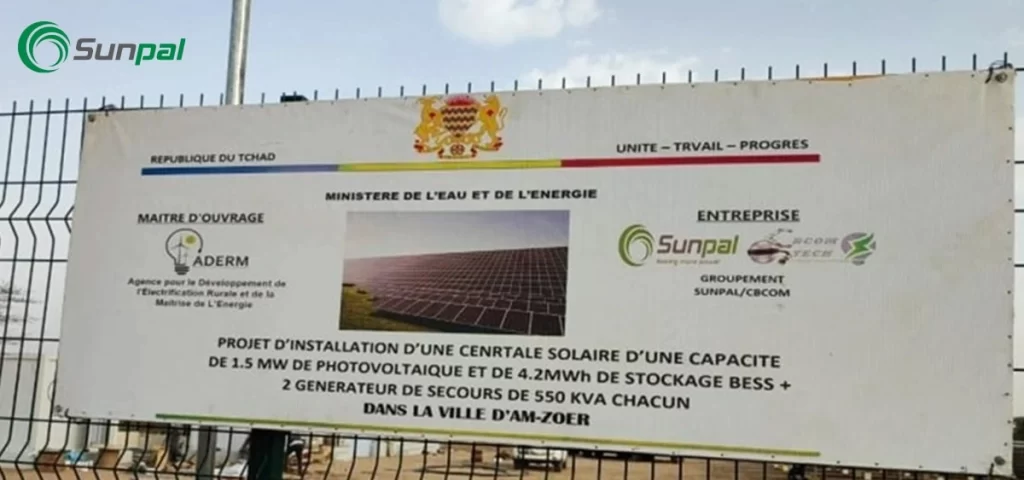
Guía de Acción: Cómo los desarrolladores pueden construir proyectos solares listos para créditos de carbono
- Incorpore el almacenamiento desde el principio del diseño: dimensione el BESS para que coincida con los perfiles de carga y los objetivos de REC. El equipo de ingeniería de Sunpal proporciona modelado personalizado.
- Priorizar la infraestructura de MRV: Seleccionar sistemas con medición avanzada, integración SCADA y plataformas de datos preparadas para blockchain.
- Elija Equipos Certificados: Trabaje con socios experimentados como Sunpal, cuyos componentes respaldan auditorías internacionales.
- Involucrar a los certificadores temprano: Asociarse con los emisores y verificadores de I-REC durante el desarrollo del proyecto.
- Modelar múltiples flujos de ingresos: Incluir ventas/ahorros de electricidad + RECs + posibles créditos de carbono + servicios de red en las proyecciones financieras.
- Gestión de Riesgos: Contratos de O&M a largo plazo seguros, seguros y acuerdos de compra para REC.
Sunpal ofrece soporte integral: estudios de viabilidad, diseño de sistemas, suministro, supervisión de instalación y servicios de monitorización continua. Nuestra trayectoria global garantiza el cumplimiento de los estándares en evolución, optimizando al mismo tiempo para las condiciones locales.
Conclusión y Perspectivas Futuras
La pionera transacción I-REC de Solad Group es más que un simple acuerdo: es un presagio del modelo de negocio solar en evolución. En 2026 y en adelante, los proyectos más exitosos capturarán valor tanto de los electrones como de los atributos ambientales. Las combinaciones de energía solar y almacenamiento, en particular con la tecnología confiable LiFePO4, se destacan como el camino óptimo hacia RECs y activos de carbono de alta calidad y bancarios.
A medida que la demanda corporativa global de energías renovables verificables se acelera y las naciones africanas fortalecen sus marcos de carbono, los desarrolladores que actúen ahora obtendrán una ventaja competitiva. Sunpal Energy se mantiene firme en su compromiso de impulsar esta transición con soluciones innovadoras, confiables y listas para créditos de carbono.
Maximice los rendimientos de su proyecto solar con RECs + Almacenamiento
Convierta la energía limpia en múltiples flujos de ingresos. Obtenga ingresos adicionales de los RECs mientras mejora la TIR y la bancabilidad del proyecto.
📍 Habla hoy con nuestros expertos en energía solar y almacenamiento
Diseño de sistemas personalizados • Preparación para RECs • Soporte de financiación de proyectos
¿Listo para evaluar cómo los REC y el almacenamiento pueden aumentar los retornos de tu proyecto solar? Contacte hoy mismo a los expertos en soluciones de Sunpal para una evaluación preliminar gratuita, modelado de sistemas o para obtener más información sobre nuestras ofertas de energía solar híbrida + BESS. Descargue nuestros recursos sobre sistemas de energía listos para el carbono y comience a construir la próxima generación de proyectos rentables y sostenibles. El futuro de la energía solar no es solo limpio, es almacenado inteligentemente, verificable y gratificante en múltiples aspectos.