


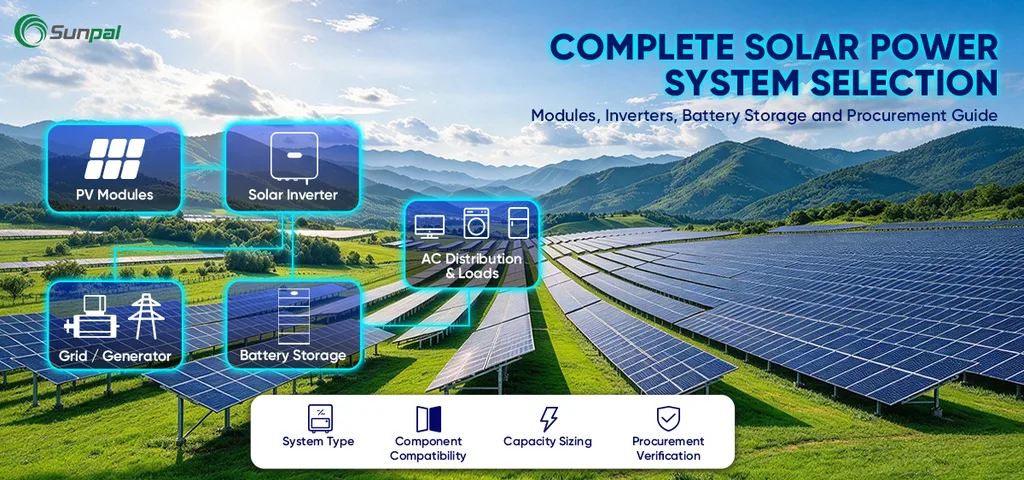
Choosing a complete solar power system involves more than selecting solar panels or comparing equipment prices. Businesses, distributors, installers, and project developers need to consider system architecture, electricity demand, component compatibility, installation requirements, and long-term support before making a purchasing decision.
Whether the project involves a residential installation, an off-grid application, a commercial rooftop, or an industrial facility, the appropriate configuration depends on how the system will be used and which technical requirements it must satisfy.
For buyers evaluating wholesale solar system kits or customized OEM solutions, a structured selection and procurement process can help reduce specification gaps, improve quotation comparisons, and clarify supplier responsibilities.
SUNPAL Energy provides solar product resources for customers exploring photovoltaic modules, inverters, battery systems, and related solar energy solutions. This guide explains how to select a suitable system, determine preliminary capacity requirements, verify product specifications, and prepare for procurement.
Complete Solar Power Systems Overview
A complete solar power system combines solar generation equipment with the electrical and supporting components required for its intended application. Depending on the system design, the configuration may include photovoltaic (PV) modules, inverters, mounting structures, electrical protection equipment, monitoring devices, and battery energy storage.
The system architecture generally depends on three factors: grid availability, electricity consumption patterns, and the need for energy storage.
- Grid-connected systems generate solar electricity for use alongside an existing grid connection. Their design depends on site demand, inverter compatibility, and local interconnection requirements.
- Off-grid systems provide electricity where a dependable grid connection is unavailable or unsuitable. Their design must account for energy demand, storage capacity, and periods of limited solar generation.
- Hybrid systems coordinate solar generation with battery storage and, where supported by the design, grid or generator power.
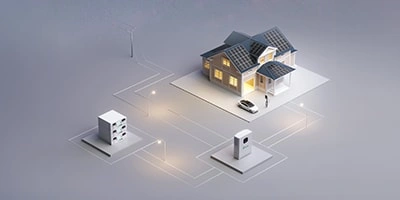
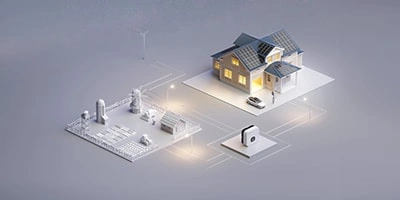
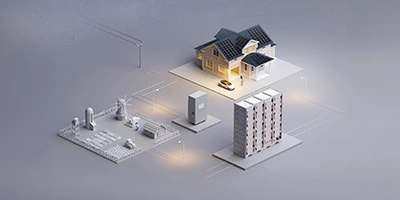
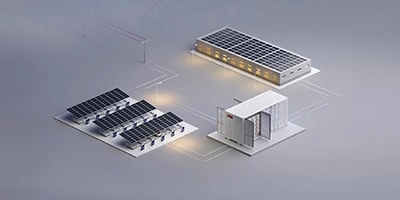
System diagram: Typical solar power system architecture
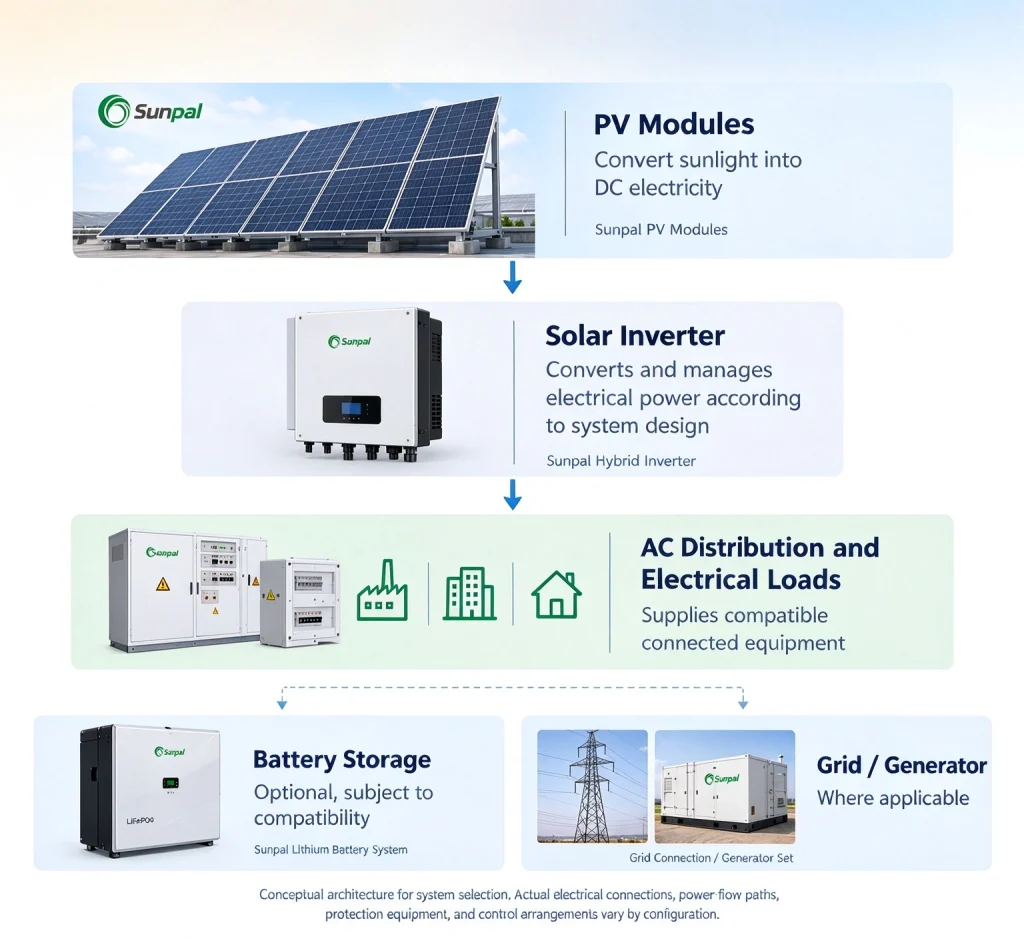
The diagram illustrates the main equipment categories rather than a universal wiring design. Battery connections and grid or generator interfaces must follow the selected inverter topology and the project's engineering requirements.
Understanding this architecture provides a starting point for determining which system type, components, and supporting equipment a project actually needs.
Which Solar Power System Type Fits Your Project?
The most suitable system type depends on whether the site has grid access, how electricity is consumed, and whether energy storage or backup power is required.
The following comparison can help buyers narrow their options before evaluating individual products.
| System type | Typical applications | Main advantages | Key considerations |
|---|---|---|---|
| Grid-connected | Residential buildings, offices, commercial rooftops, and grid-connected facilities | Can supply on-site electricity without requiring batteries in every configuration | Grid rules, export restrictions, load profile, and inverter compatibility |
| Off-grid | Remote facilities, isolated sites, and applications without dependable grid access | Provides an electricity supply independent of a conventional grid connection when properly designed | Battery autonomy, seasonal solar generation, load management, and backup requirements |
| Hybrid | Commercial sites, homes, and facilities requiring coordinated solar, storage, and grid or generator operation | Offers greater flexibility in managing energy sources and storage | System compatibility, battery requirements, control strategy, and additional equipment costs |
When Is a Grid-Connected System Appropriate?
A grid-connected system may be suitable when the site already has a reliable electricity supply and can use solar generation to meet part of its demand. The design should consider when electricity is consumed, whether excess generation can be exported, and the applicable utility requirements.
Battery storage may be unnecessary if the project's objectives can be achieved without it.
When Should an Off-Grid System Be Considered?
An off-grid system requires a more detailed assessment of daily energy consumption, peak loads, available sunlight, and the periods when solar generation may be insufficient.
Battery capacity should reflect the intended operating duration and energy requirements. Backup generation or other contingency measures may also be necessary for applications that cannot tolerate interruptions.
When Does a Hybrid System Make Sense?
A hybrid system may be appropriate when buyers want to coordinate solar generation with battery storage and other available power sources. Potential objectives include energy shifting, backup capability, and greater control over electricity use.
The value of a hybrid configuration depends on its intended operating strategy. Buyers should assess the additional equipment and integration requirements against the benefits expected from storage.
The final decision should be based on the project's operating conditions rather than on the assumption that one system type is always better than another.
Who Needs a Complete Solar Power System?
Complete solar power systems serve a range of customers, but the requirements vary according to the intended application and the buyer's role in the project.
Homeowners and property owners generally focus on electricity consumption, available installation space, system cost, and whether battery storage or backup power is necessary.
Solar installers and EPC contractors need compatible equipment, reliable technical documentation, appropriate mounting solutions, and clear installation and commissioning requirements.
Commercial and industrial energy users must consider load profiles, operating schedules, available roof or ground area, existing electrical infrastructure, and potential future demand. Battery storage may also be evaluated where energy shifting or backup capability supports the project's objectives.
Distributors, wholesalers, and OEM customers need clearly documented product specifications, consistent quality requirements, defined warranty conditions, and dependable supply arrangements. Their additional considerations may include repeat ordering, product customization, and delivery requirements.
Identifying the buyer's role and intended application helps establish the technical and commercial requirements that should guide system selection.
Which Components and Specifications Should You Confirm?
A complete solar power system requires components that work together within the electrical and operating limits of the design. Buyers should verify the specifications of each major component rather than relying solely on a package description or headline capacity.
PV Modules
PV modules convert sunlight into direct-current electricity. Relevant specifications include:
- Manufacturer and model.
- Rated power and module dimensions.
- Electrical characteristics, including voltage and current.
- Applicable product certifications and documentation.
- Warranty conditions and installation requirements.
The selected modules should fit the available installation area and the electrical design of the proposed array.
Solar Inverters
The inverter converts PV-generated electricity into alternating-current electricity suitable for the intended application. Depending on the project, buyers may consider grid-connected, off-grid, or hybrid inverter configurations.
Specifications to confirm include:
- Maximum DC input voltage and operating range.
- MPPT voltage range and maximum input current.
- AC output power, voltage, and phase configuration.
- Grid compatibility and applicable requirements.
- Battery compatibility and communication interfaces, where relevant.
- Monitoring functions and warranty conditions.
The final inverter selection must be compatible with the PV array, electrical infrastructure, and intended system operation.
Battery Energy Storage
Battery energy storage systems (BESS) may be included when the project requires energy shifting, backup power, or greater control over electricity use.
Before selecting a battery, confirm its nominal and usable energy capacity, operating voltage, continuous and peak power ratings, battery management requirements, communication compatibility, and warranty conditions.
Battery power and battery energy are different specifications. A battery may have sufficient stored energy but still be unsuitable for a particular application if its power output or system compatibility does not meet the requirements.
Mounting and Electrical Equipment
Mounting structures, cables, connectors, switchgear, grounding, and electrical protection equipment must also be included in the system scope where required.
For rooftop projects, the design should account for structural capacity, roof condition, mounting compatibility, and maintenance access. Ground-mounted installations may require additional assessment of foundations, soil conditions, drainage, and site access.
Product Specification Verification Checklist
Before comparing product options, prepare a specification sheet that records the relevant data for each proposed component.
| Equipment | What to verify | Procurement purpose |
|---|---|---|
| PV modules | Model, rated power, electrical limits, dimensions, certifications | Confirm array design and product suitability |
| Inverter | DC input limits, MPPT range, AC output, grid compatibility | Verify electrical and application compatibility |
| Battery system | Usable energy, power rating, operating voltage, communications | Confirm storage requirements and integration |
| Mounting and protection | Mounting compatibility, structural requirements, cables and protection devices | Identify installation requirements and package exclusions |
| Complete system | Equipment quantities, approved models, documentation, warranty and delivery scope | Ensure quotations cover comparable equipment and responsibilities |
Use official product datasheets and applicable certificates to confirm specifications. If a parameter is not published or has not been verified, request clarification rather than assuming a value.
A useful procurement record should distinguish between confirmed specifications, project requirements, and information still awaiting supplier confirmation.
How Should Solar System Capacity Be Selected?
Selecting solar system capacity requires more than matching the PV array to a customer's monthly electricity consumption. Buyers should consider when electricity is used, the available solar resource, usable installation area, electrical infrastructure, and the project's energy objectives.
A preliminary assessment should establish the expected PV generation capacity, inverter requirements, and whether battery storage is needed. These are related but distinct design decisions: PV capacity describes the array's rated power, inverter power describes its conversion capability, and battery energy capacity indicates how much energy can be stored under specified operating conditions.
Before requesting a final system recommendation, buyers should provide recent electricity bills or interval load data, the installation location, site constraints, and any backup or expansion requirements. Final sizing should then be confirmed against verified equipment specifications and project-specific engineering requirements.
Solar System Sizing Checklist
Use this checklist to organize the information needed for a preliminary system assessment.
- Collect recent electricity bills and available interval consumption data.
- Identify daily, seasonal, daytime, nighttime, and peak electricity demand.
- Record the site's location and assess the relevant solar resource.
- Estimate usable roof or ground area, including shading and access constraints.
- Review roof structural capacity or ground-mount site conditions.
- Define the target solar generation and self-consumption objectives.
- Confirm service voltage, phase configuration, grid conditions, and transformer capacity where applicable.
- Evaluate PV array sizing, inverter limits, string configuration, and electrical protection.
- Determine whether battery storage is required and establish the expected power and energy requirements.
- Identify backup requirements and acceptable interruption periods, where relevant.
- Consider future demand growth, additional equipment, and possible system expansion.
- Confirm the preliminary design against applicable regulations and engineering requirements.
Why Load Profiles Matter
Two sites with similar monthly electricity consumption may require different solar configurations if their electricity demand occurs at different times.
For example, a facility with substantial daytime demand may be able to consume a greater share of its solar generation directly. A site with significant evening demand may need a different operating strategy or may consider battery storage if the expected benefits justify the additional cost.
These outcomes depend on the site's actual consumption, local solar conditions, electricity tariffs, and system configuration. They should be evaluated rather than assumed.
PV Capacity, Inverter Power, and Battery Capacity Are Different
PV capacity describes the rated power of the solar array under specified test conditions. Inverter power describes the power conversion capability of the inverter, while battery energy capacity indicates how much energy the battery can store under its stated conditions.
These values are related but not interchangeable. A suitable design must consider how the components operate together and whether they satisfy the project's load and operating requirements.
For this reason, buyers should provide consumption data and application details before requesting a final system recommendation.
What Affects Solar System Price and Delivery?
The price and delivery schedule of a complete solar power system depend on its equipment scope, technical specifications, customization requirements, order quantity, destination, and logistics arrangements.
Main Factors Affecting Price
Equipment configuration: PV modules, inverter selection, battery inclusion, mounting structures, and electrical accessories all affect the overall package.
Technical requirements: Project-specific electrical specifications, applicable certifications, documentation, and integration requirements may influence product selection and engineering effort.
Customization and order quantity: Wholesale volumes, OEM arrangements, packaging requirements, and customized configurations can affect quotation terms and production planning.
Installation and project scope: Engineering, transportation, installation, permitting, commissioning, and electrical infrastructure upgrades may contribute to the total project cost. Not every equipment quotation includes these services.
Main Factors Affecting Delivery
Delivery depends on the confirmed equipment configuration, product availability, order quantities, customization, production arrangements, transportation, destination, and applicable import procedures.
For customized orders, unresolved technical specifications or delayed approvals may affect the planned schedule. Buyers should establish the approval process and delivery assumptions before confirming an order.
How to Compare Supplier Quotations
A consistent request for quotation (RFQ) should include:
- Required equipment models or technical specifications.
- Quantities and complete equipment scope.
- Destination and requested delivery schedule.
- Applicable certification and documentation requirements.
- OEM, branding, or packaging requirements where applicable.
- Warranty terms and after-sales support expectations.
- Clear identification of exclusions and additional costs.
Compare quotations on an equivalent scope. A lower initial price may not represent a lower total cost if it excludes necessary accessories, protection equipment, transportation, or other required items.
Actual pricing and lead times should be confirmed through a project-specific quotation. They cannot be reliably determined from nominal system capacity alone.
What Installation and After-Sales Support Is Required?
The equipment package is only one part of a complete solar project. Buyers should also establish how installation, commissioning, documentation, warranty administration, and ongoing technical support will be handled.
Installation and Commissioning
Before installation, confirm site conditions, approved equipment specifications, mounting requirements, electrical design, applicable permits, and grid-interconnection requirements.
Commissioning should verify that the installed equipment matches the approved design and the manufacturer's instructions. Depending on the system, relevant records may include electrical test results, inverter settings, monitoring configuration, equipment serial numbers, and operating documentation.
Installation and commissioning must be performed by qualified personnel in accordance with applicable standards and equipment requirements.
Documentation and Warranty
Before procurement, clarify which documentation will be supplied and which party is responsible for installation and commissioning records.
Buyers should also review warranty coverage, claim procedures, required evidence, exclusions, and the process for obtaining technical assistance or replacement components.
Ongoing Technical Support
Post-installation support may include troubleshooting guidance, monitoring assistance, maintenance recommendations, documentation updates, and replacement-part coordination.
For distributors and OEM customers, a clearly defined support process is particularly valuable because the purchaser may need to coordinate assistance for multiple downstream installations.
The scope of support should be confirmed in writing rather than assumed to be included in every equipment package.
How SUNPAL Energy Supports Solar System Projects
Selecting a complete solar power system requires careful consideration of application requirements, system capacity, equipment compatibility, and procurement needs. SUNPAL offers PV modules, solar inverters, and battery systems to support different project configurations.
SUNPAL's experience includes a hybrid solar power project in Chad, combining a 1.5MW PV system with 4.2MWh of battery storage. Commissioned in May 2025, the project demonstrates how solar generation, energy storage, and energy management can work together to meet specific site and operating requirements.
When planning a project, buyers should prepare preliminary capacity requirements, installation conditions, operating mode, storage needs, technical specifications, order quantity, and delivery schedule. This information helps SUNPAL assess equipment options and discuss a suitable configuration.
For project-specific guidance, contact the SUNPAL team.
Frequently Asked Questions
Which system type fits the project?
A grid-connected system may suit sites with reliable grid access and a goal of using solar electricity alongside the existing supply. An off-grid system is designed for sites without dependable grid access and requires careful planning for energy storage and backup. A hybrid system may suit projects that need coordinated solar generation, battery storage, and grid or generator support. The choice depends on site conditions, electricity demand, and operating objectives.
How should capacity be selected?
Begin with electricity bills, load profiles, installation area, solar resource, and the project's generation objectives. Then evaluate inverter power, electrical infrastructure, battery requirements, and future demand growth. Preliminary estimates can guide planning, but final capacity should be confirmed through project-specific engineering.
Which specifications must be confirmed?
Confirm PV module model and electrical characteristics, inverter input and output limits, battery power and usable energy where applicable, mounting requirements, electrical protection, component compatibility, applicable certifications, warranty terms, and the full equipment list. Use official datasheets and project documentation to verify the proposed specifications.
What affects price and delivery?
Price and delivery depend on equipment configuration, technical requirements, customization, order quantity, product availability, documentation, transportation, destination, and production arrangements. Buyers should request itemized quotations with clear inclusions, exclusions, lead-time assumptions, warranty conditions, and delivery responsibilities.
What support is required after installation?
Depending on the project, support may include commissioning records, operating manuals, warranty administration, troubleshooting, monitoring assistance, maintenance recommendations, and replacement-part coordination. Buyers should clarify the supplier's responsibilities and confirm which services are included in the purchase agreement.