


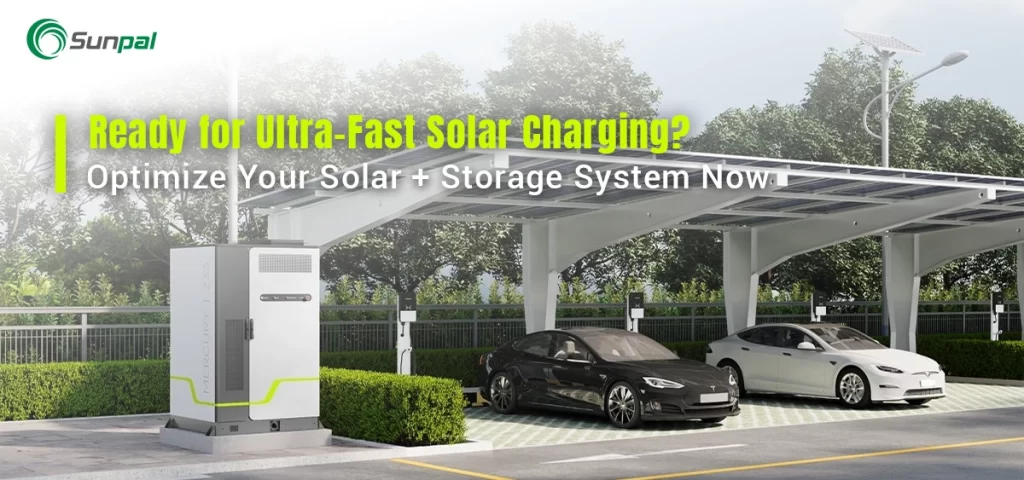
Il fermento riguardo alla ricarica ultraveloce domina i titoli, promettendo un'erogazione di potenza rapida quasi da auto elettriche per i sistemi solari con accumulo. Eppure, molti utenti si trovano ad affrontare una ricarica lenta nel mondo reale che limita l'autoconsumo solare e il ROI. La buona notizia? Puoi ottenere oggi prestazioni pratiche quasi ultraveloci ottimizzando gli inverter ibridi ad alta efficienza di Sunpal, le batterie LiFePO4 ad alta accettazione di carica e il BMS intelligente attraverso un abbinamento intelligente dei componenti, un design del sistema e controlli.
Perché la frenesia della ricarica ultraveloce incontra le frustrazioni del mondo reale dello stoccaggio solare
Le tendenze relative alla ricarica ultraveloce stanno affascinando il settore. I caricatori per veicoli elettrici in grado di erogare oltre 350 kW e di ricaricare un veicolo 80% in 15-20 minuti alimentano grandi aspettative. Nel settore del solare e dello stoccaggio, ciò si traduce nella speranza di poter assorbire istantaneamente la produzione solare di picco per alimentare i carichi quotidiani più gravosi, la ricarica dei veicoli elettrici o i servizi di rete.
Il mercato statunitense dello stoccaggio di energia è esploso nel 2025 con un record di 57,6 GWh di nuova capacità aggiunta — un aumento del 30% rispetto al 2024 e un volume di installazioni quattro volte superiore a quello di tre anni prima. La forte crescita proseguirà fino al 2026, trainata dalle installazioni di impianti solari con accumulo nei settori residenziale, commerciale e industriale (C&I) e su scala industriale. Si prevede che i mercati globali dello stoccaggio di energia solare si espanderanno rapidamente, con CAGR spesso superiori al 15-17% fino al 2035, alimentati dal calo dei prezzi delle batterie, dal sostegno politico e dall'aumento della domanda di elettricità.
Nonostante questo slancio, l'efficienza di ricarica delle batterie solari nel mondo reale spesso delude. Molti sistemi si caricano molto più lentamente del previsto, portando a sprechi di produzione solare e a prestazioni non ottimali. I principali punti critici includono:
- Componenti non corrispondenti: Inverter sottodimensionati o velocità di carica della batteria incompatibili causano un significativo clipping solare, in cui l'eccesso di potenza fotovoltaica viene limitato anziché immagazzinato.
- Perdite di conversione: I sistemi accoppiati in CA richiedono molteplici conversioni CC-CA-CC, con conseguenti perdite di energia dell'ordine di 8-121 TP3T o superiori rispetto a configurazioni più dirette accoppiate in CC.
- Limiti di carica conservativi: Le impostazioni di base del BMS, un elevato stato di carica (SoC) o fluttuazioni di temperatura limitano la corrente di ingresso, impedendo il pieno utilizzo dell'energia solare disponibile.
- Scarsa tracciabilità dell'MPPT e irraggiamento variabile: Il tracciamento non ottimale del punto di massima potenza in condizioni di parziale ombreggiamento o nuvolosità lascia le batterie sotto-caricate durante le ore solari di punta.
- Disallineamenti di caricamento e temporizzazione: Le richieste di picco serale si verificano prima che le batterie si ricarichino completamente dalla generazione diurna.
Questi problemi comportano spesso un blocco dei tassi di autoconsumo tra il 60 e il 75%, costringendo a un maggiore ricorso alla rete, a bollette elettriche più elevate e a un ritorno sull'investimento più basso.
Esempi di progetti reali:
- Un proprietario di casa residenziale con un impianto solare da 10-15 kW spesso vede l'eccesso di potenza di mezzogiorno esportato alla rete o limitato mentre la batteria si carica a un ritmo lento di 0,2C, riempiendosi solo parzialmente al tramonto.
- I siti commerciali e industriali (C&I) affrontano spese elevate dovute alla domanda, poiché i sistemi di accumulo non si ricaricano abbastanza velocemente durante le finestre solari di picco per compensare i carichi pomeridiani.
- Le installazioni off-grid hanno difficoltà con cicli giornalieri incoerenti, che portano alla dipendenza dai generatori nonostante un'abbondante energia solare diurna.
Gli effetti della temperatura aggravano i problemi: il freddo riduce l'accettazione di carica delle LiFePO4, mentre una scarsa gestione termica innesca una riduzione delle prestazioni. Senza controlli intelligenti, i sistemi non possono adattarsi dinamicamente alle previsioni meteorologiche, alle tariffe basate sull'orario di utilizzo o ai carichi variabili. Queste sfide erodono la promessa di indipendenza energetica che all'inizio attira i clienti verso il solare più l'accumulo.
Crescita dello stoccaggio di energia tramite batterie negli Stati Uniti (2023–2026)
Record di installazioni nel 2025 trainato dallo sviluppo su larga scala
SEIA, Benchmark Mineral Intelligence, Wood Mackenzie, ACP. I valori del 2026 sono stime previsionali.
Tecnologie fondamentali di Sunpal per una ricarica più rapida
Sunpal fornisce una ricarica pratica ad alte prestazioni utilizzando tecnologie consolidate e comprovate sul campo che funzionano in modo affidabile oggi.
Inverter Ibridi ad Alta Efficienza
Inverter ibridi Sunpal raggiungono un rendimento massimo compreso tra il 97% e il 98,51% (TP3T) grazie a inseguitori multi-MPPT avanzati che massimizzano la produzione di energia anche in condizioni di ombreggiamento parziale o variabili. Supportano ampi intervalli di tensione in ingresso e correnti fotovoltaiche elevate, consentendo l'utilizzo di impianti sovradimensionati senza un eccessivo clipping.
In questo caso, le configurazioni accoppiate in corrente continua danno il meglio di sé. Consentono la ricarica diretta da fotovoltaico a batteria con fasi di conversione minime, offrendo un'efficienza di andata e ritorno del 95-98%. Ciò contrasta nettamente con molti retrofit accoppiati in CA, che spesso si attestano all'88-92% a causa delle tripli conversioni (CC-CA-CC-CA). Gli inverter ibridi si integrano inoltre perfettamente con la gestione intelligente dell'energia, supportando funzionalità quali zero-export, peak shaving e risposta rapida alle variazioni di carico. Il loro design robusto gestisce elevate velocità di carica/scarica mantenendo la stabilità in applicazioni che spaziano dal residenziale al commerciale e industriale.
Batterie LiFePO4 ad alta accettazione di carica
LiFePO4 La loro chimica è ideale per l'accumulo di energia solare. Queste batterie supportano abitualmente correnti di carica continue comprese tra 0,5C e 1C, il che significa che una batteria da 100 Ah può sopportare in sicurezza correnti da 50 a 100 A in condizioni adeguate. Offrono un'efficienza di carica del 95-98% ed eliminano la lunga fase di assorbimento tipica delle batterie al piombo-acido
Tra i principali vantaggi figurano un'eccellente stabilità termica, una bassa autoscarica (<3% al mese) e una durata di ciclo superiore: spesso 4.000–6.000+ cicli con una profondità di scarica (DoD) dell'80% e una perdita di capacità minima se gestita correttamente. A differenza di altre composizioni chimiche al litio, il LiFePO4 tollera correnti di carica più elevate con un rischio ridotto di placcatura del litio o surriscaldamento. Nelle applicazioni solari, ciò consente un rapido assorbimento dei picchi di mezzogiorno, ottenendo notevoli guadagni di stato di carica entro 2-4 ore di forte irraggiamento. Le efficienze di andata e ritorno nel mondo reale raggiungono spesso il 90-95%, massimizzando l'energia utilizzabile da ogni kWh solare generato.
Sistemi BMS intelligenti
I sistemi avanzati di gestione della batteria di Sunpal forniscono lo strato di intelligenza. Offrono monitoraggio in tempo reale a livello di cella, bilanciamento attivo, gestione termica di precisione e regolazione dinamica della corrente. Il BMS comunica in modo fluido con gli inverter ibridi tramite protocolli come CAN o RS485, abilitando profili di ricarica coordinati che rispondono a temperatura, SoC, tensione e segnali esterni (ad esempio, previsioni meteorologiche o prezzi della rete elettrica).
Le caratteristiche includono:
- Carica a temperatura compensata per prevenire danni al di sotto di 0°C o al di sopra di soglie di sicurezza.
- SoC adattivi a finestrino che consentono una ricarica aggressiva all'inizio della giornata, riducendola gradualmente in modo sicuro quando la capacità è quasi completa.
- Protezioni da sovracorrente, cortocircuito e squilibrio che mantengono la sicurezza a velocità più elevate.
- Connettività cloud per monitoraggio remoto e ottimizzazione del firmware.
Insieme, queste tecnologie creano un sistema sinergico. Un inverter ibrido ad alta efficienza raccoglie la massima potenza fotovoltaica, la batteria LiFePO4 la accetta rapidamente e il BMS intelligente garantisce un'erogazione sicura e ottimizzata. Il risultato è un ciclo giornaliero affidabile che trasforma l'energia solare variabile in energia affidabile.
Strategie di Ottimizzazione: Massimizzare l'Efficienza di Ricarica Oggi
Miglioramenti drastici provengono da una progettazione di sistema deliberata, dall'abbinamento preciso dei componenti e da controlli intelligenti.
1. Abbinamento dei componenti e progettazione del sistema
Una corretta quantificazione costituisce la base. Puntare a un CC:CA rapporto da 1,2-1,5:1 per bilanciare raccolta e ritaglio, supportando al contempo forti correnti di carica. Accoppiare stringhe fotovoltaiche ad alta tensione con inverter ibridi compatibili e pacchi batteria dimensionati per C-rate target (tipicamente 0,3-0,5C di media giornaliera per longevità con occasionali picchi più elevati).
Migliori Pratiche Chiave:
- Per i nuovi impianti, privilegiare l'architettura accoppiata in corrente continua per ottenere un rendimento superiore del 3-81% rispetto a quella accoppiata in corrente alternata.
- Utilizzare cavi di dimensioni appropriate e tensioni di sistema più elevate (ad esempio, da 48V a 400V+) per minimizzare le perdite resistive.
- Incorporare un'efficace gestione termica: gli involucri delle batterie con ventilazione o raffreddamento attivo mantengono intervalli operativi ottimali di 15-35°C.
- Selezionare inverter con più MPPT e limiti di corrente PV elevati.
Confronto di Efficienza:
Sistemi solari con accumulo accoppiati in DC rispetto ad accoppiati in AC
Confronto del flusso di energia basato su 100 kWh di generazione solare
2. Controlli intelligenti e gestione dell'energia
Il software sblocca il pieno potenziale. I sistemi integrati di gestione dell'energia (EMS) combinano dati dell'inverter, del BMS e del contatore opzionale per un'ottimizzazione predittiva.
Tra le funzionalità rientrano:
- Integrazione della previsione solare per dare priorità alla ricarica aggressiva durante i periodi di irraggiamento previsto elevato.
- Gestione dinamica del SoC (ad esempio, finestra giornaliera target 20-90% per garantire una maggiore durata, consentendo al contempo brevi picchi più elevati).
- Logica basata su tempo di utilizzo e arbitraggio per variare la carica/scarica in base alle tariffe dell'utility.
- Prioritizzazione del carico e preparazione della centrale elettrica virtuale.
Checklist di Ottimizzazione Passo-Passo:
- Effettuare una valutazione dettagliata del sito: dati di irraggiamento, profili di carico, analisi dell'ombreggiamento e future esigenze di veicoli elettrici/rete.
- Modella il sistema utilizzando strumenti che simulano curve giornaliere e configurazioni di test.
- Dimensiona e configura i componenti: imposta limiti di corrente di carica, parametri MPPT e controlli di esportazione.
- Abilita modalità avanzate: priorità autoconsumo, riserva di backup o taglio dei picchi.
- Monitorare le prestazioni tramite dashboard cloud e regolare stagionalmente (ad esempio, profili invernali vs. estivi).
- Pianifica controlli sanitari periodici e aggiornamenti del firmware.
Risultati prima e dopo:
Un tipico impianto composto da 15 kW di pannelli solari e una batteria da 20-30 kWh potrebbe aumentare il grado di utilizzo dell'energia solare dal 65% al 90-95%, ridurre i tempi effettivi di ricarica del 30-50% e garantire cicli giornalieri completi e costanti. Ciò si traduce in un risparmio annuo di migliaia di euro grazie a un maggiore autoconsumo e a minori costi di domanda. Gli utenti segnalano spesso periodi di ammortamento ridotti di 1-3 anni.
Bilanciare Velocità e Durata:
I sistemi ottimizzati mantengono un'eccellente durata del ciclo. Le batterie LiFePO4 prosperano a velocità da moderate ad alte se mantenute tra i 15 e i 35°C, rispettando le finestre dello stato di carica (SoC) e con il bilanciamento attivo. Una corretta gestione garantisce da 4.000 a oltre 6.000 cicli, supportando al contempo la ricarica più veloce desiderata dai clienti.
Tattiche aggiuntive includono stringhe di batterie in parallelo per una maggiore capacità di corrente totale e configurazioni ibride che combinano la ricarica solare diretta con l'integrazione della rete intelligente durante i periodi di bassa produzione.
Curva di ricarica della batteria solare giornaliera prima e dopo
Miglioramento dell'Utilizzo Solare – Pannello Solare da 15 kW + Batteria LiFePO4 da 25 kWh
Nota sui dati: basato su un tipico profilo di irraggiamento solare diurno. Dopo l'ottimizzazione, dimostra una maggiore accettazione della carica e un miglior recupero solare a metà giornata.
Benefici quantificati e ROI dell'ottimizzazione di Solare + Accumulo
Sistemi ottimizzati offrono vantaggi chiari e misurabili:
- Autoconsumo: Rendimenti del modello 90%+ rispetto al modello di riferimento 60-75%, con un assorbimento di energia solare gratuita nettamente superiore.
- Risparmio sui costi: Sostanziali riduzioni negli acquisti dalla rete, nei costi di picco della domanda e nelle bollette basate sull'orario di utilizzo.
- Resilienza Una ricarica più rapida garantisce batterie più piene in caso di interruzioni o picchi serali.
- Preparazione alla mobilità elettrica Supporto per la ricarica di Livello 2+ direttamente dall'accumulo solare.
- Guadagni ambientali: Massimizzazione dell'utilizzo di energia pulita e minore impronta di carbonio.
- Valore a Lungo Termine: Maggiore durata delle apparecchiature e più facile integrazione con future tecnologie ultraveloci.
Con una forte crescita di mercato ininterrotta, i sistemi Sunpal ottimizzati posizionano gli utenti un passo avanti. Il portafoglio integrato e garantito di Sunpal – con supporto di progettazione esperto – semplifica il raggiungimento di questi risultati, minimizzando i rischi di compatibilità.
Risultati reali con solare + accumulo ottimizzato
Autoconsumo
Si utilizza più energia solare in loco invece di immetterla nella rete.
Risparmio sui costi
Minori acquisti di elettricità e ridotti costi per la domanda e potenza impegnata durante tutto l'anno.
Resilienza
Uno stato di carica più elevato della batteria migliora la prontezza in caso di interruzione e la capacità di backup.
Integrazione dei veicoli elettrici
Supporta la ricarica affidabile dei veicoli elettrici alimentata a energia solare direttamente dallo stoccaggio a batteria.
Conclusione: la ricarica ultraveloce e pratica è qui adesso
La visione della ricarica ultra-veloce in solare + accumulo è più accessibile di quanto suggeriscano i titoli. Sfruttando gli inverter ibridi ad alta efficienza di Sunpal, le batterie LiFePO4 ad alta accettazione di carica e il BMS intelligente — abbinati a un'esperta corrispondenza dei componenti, a un design robusto e a controlli intelligenti — è possibile superare i punti dolenti di oggi e ottenere un'efficienza di carica notevolmente migliore.
Non rimandare a futuri miglioramenti incerti. Ottimizza subito il tuo sistema solare con accumulo per una ricarica più rapida, un ROI superiore, una maggiore indipendenza energetica e una preparazione senza interruzioni per le innovazioni di domani.
Contatta oggi stesso il team Sunpal per una valutazione gratuita del sistema, raccomandazioni di progettazione personalizzate, specifiche di prodotto dettagliate o supporto completo al progetto.. Esplora la nostra gamma di inverter ibridi, soluzioni per batterie LiFePO4 e piattaforme intelligenti di gestione dell'energia per sbloccare il vero potenziale del tuo investimento solare.
Domande Frequenti (FAQ)
1. Cos'è la ricarica ultraveloce per sistemi solare + accumulo?
La ricarica ultraveloce si riferisce a tecnologie e ottimizzazioni che consentono alle batterie solari di assorbire la produzione solare di picco a un elevato rapporto C (0,5C–1C), riducendo significativamente i tempi di ricarica rispetto ai sistemi standard e migliorando l'utilizzo giornaliero dell'energia.
2. Quanto velocemente le batterie Sunpal LiFePO4 si possono caricare in un impianto solare?
Con un'adeguata ottimizzazione, le batterie Sunpal LiFePO4 possono supportare una ricarica continua da 0,5C a 1C, raggiungendo spesso uno stato di carica dell'80-90% entro 2-4 ore di picco di irraggiamento solare, a seconda delle dimensioni dell'impianto e delle condizioni.
3. Qual è la differenza tra i sistemi di accumulo solare accoppiati in corrente continua (DC) e quelli accoppiati in corrente alternata (AC)?
I sistemi accoppiati in corrente continua ricaricano le batterie direttamente dai pannelli solari con un numero inferiore di conversioni, raggiungendo un'efficienza di andata e ritorno del 95-98% (TP3T). I sistemi accoppiati in corrente alternata sono più facili da installare in caso di ristrutturazioni, ma in genere presentano perdite maggiori (efficienza dell'88-92% (TP3T)).
4. Posso potenziare il mio attuale impianto solare per una ricarica più veloce?
Sì. L'aggiunta di un inverter ibrido Sunpal compatibile, batterie LiFePO4 ad alta capacità di accettazione di carica e un BMS intelligente può migliorare significativamente le velocità di ricarica senza una sostituzione completa del sistema.
5. Come migliora l'efficienza di carica delle batterie solari il BMS intelligente?
Il BMS (Battery Management System) fornisce monitoraggio in tempo reale, compensazione della temperatura, limiti di corrente dinamici e comunicazione trasparente con l'inverter per ottimizzare la carica proteggendo la salute e la longevità della batteria.
6. La ricarica rapida riduce la durata della batteria LiFePO4?
Se gestite correttamente con il sistema di gestione della batteria (BMS) di Sunpal e con intervalli di stato di carica (SoC) ottimali, le velocità di carica più elevate non incidono in modo significativo sulla durata. Queste batterie sono comunque in grado di garantire 4.000–6.000+ cicli con un grado di scarica (DoD) dell'80% (%).
7. Qual è il rapporto consigliato tra CC e CA per una carica ottimale della batteria solare?
Un rapporto DC:AC di 1,2–1,5:1 è ideale, consentendo la massima raccolta solare supportando al contempo forti correnti di carica della batteria con un clipping minimo.
8. Quanto posso risparmiare ottimizzando la ricarica del mio impianto solare con accumulo?
I sistemi ottimizzati possono aumentare l'autoconsumo dal 60-75% a oltre il 90%, con conseguenti riduzioni significative delle bollette elettriche e dei costi di potenza, nonché tempi di ammortamento più rapidi (spesso ridotti di 1-3 anni).
9. I sistemi Sunpal solare + accumulo sono compatibili con i caricabatterie per veicoli elettrici?
Sì. I sistemi Sunpal ottimizzati supportano facilmente la ricarica di veicoli elettrici di Livello 2 e superiori, fornendo una ricarica più rapida della batteria e una maggiore disponibilità di energia dai pannelli solari immagazzinata.
10. Come inizio a ottimizzare il mio sistema solare + accumulo?
Contatta il team di Sunpal per una valutazione gratuita del sistema. I nostri esperti valuteranno la tua configurazione e ti consiglieranno la migliore combinazione di inverter ibridi, batterie LiFePO4 e controlli intelligenti per la massima efficienza di ricarica.