


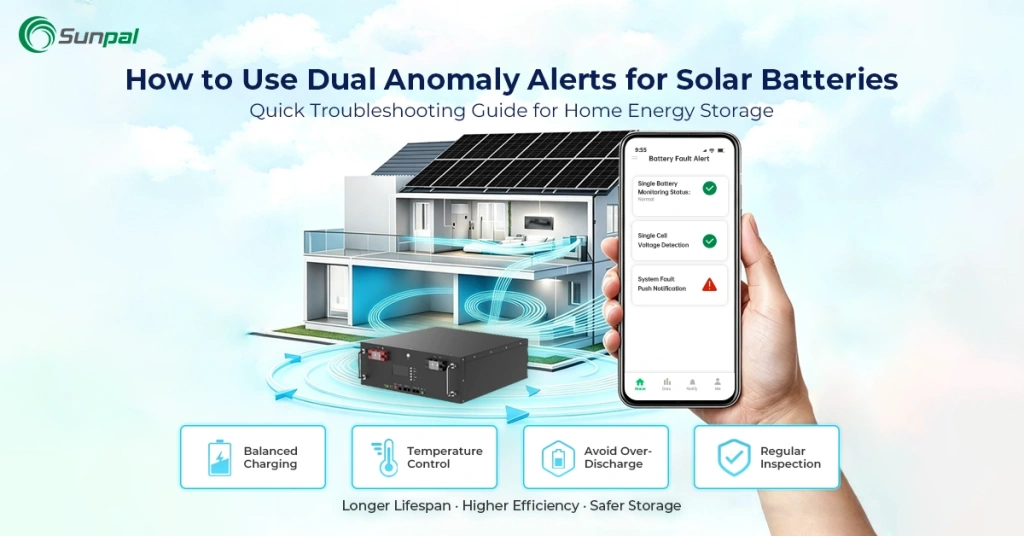
Una batteria al litio da 48V correttamente mantenuta può fornire uno stoccaggio affidabile di energia solare per 10–15 anni, con le batterie LiFePO4 che tipicamente raggiungono 3.000–6.000 cicli di carica a seconda delle condizioni operative e dei modelli di utilizzo.
La durata della batteria è influenzata da diversi fattori chiave, tra cui la temperatura operativa, le impostazioni di ricarica, la profondità di scarica (DoD), la protezione del sistema di gestione della batteria (BMS), l'ambiente di installazione e una corretta Cura della batteria LiFePO4 pratiche.
Rispetto alle tradizionali batterie al piombo-acido, Batterie solari LiFePO4 richiedono meno manutenzione e offrono maggiore efficienza, una durata maggiore del ciclo e una migliore sicurezza. Tuttavia, seguire pratiche di manutenzione adeguate può migliorare ulteriormente le prestazioni della batteria, estenderne la durata e massimizzare il tuo investimento a lungo termine nell'accumulo di energia solare.
Comprensione della tensione e della configurazione delle celle della batteria LiFePO4 da 48V
A Batteria LiFePO4 da 48V è tipicamente costruito con 16 celle LiFePO4 collegate in serie (16S). Ogni cella LiFePO4 ha una tensione nominale di 3,2 V, quindi una configurazione 16S fornisce una tensione nominale della batteria di 51.2V (3,2V × 16). Completamente carica, ogni cella raggiunge 3,65V, risultando in una tensione di carica massima di circa 58,4V.
Comprendere la struttura della tensione della batteria garantisce il corretto utilizzo impostazioni del caricabatterie, protezione BMS e compatibilità del sistema, Capire la struttura della tensione della batteria aiuta a garantire le giuste impostazioni del caricabatterie, la protezione del BMS e la compatibilità del sistema. Per maggiori dettagli sulla progettazione della batteria, sulla configurazione della tensione e sull'ottimizzazione del sistema, esplora la nostra Guida alle batterie LiFePO4 da 48 V.
Parametri di ricarica raccomandati per LiFePO4 da 48V
| Parametro | Impostazione consigliata |
|---|---|
| Tensione nominale | 51.2V |
| Tensione di carica massima | 58,4V |
| Tensione di mantenimento | Intorno ai 53,6 V |
| DoD consigliato | 80% o inferiore |
| Corrente di ricarica massima | 0,5°C consigliato |
Per esempio, una batteria al litio da 100Ah e 48V supporta tipicamente una corrente di carica massima di circa 50A con un tasso di carica di 0,5C.
Mantenere la Temperatura Operativa Corretta
La temperatura è uno dei fattori più importanti che influiscono sulla durata e sulle prestazioni delle batterie al litio. Mantenere la batteria entro un intervallo di temperatura idoneo aiuta a ridurre l'invecchiamento, migliorare l'efficienza e garantire un funzionamento sicuro.
Effetto della Temperatura sulla Durata della Batteria al Litio
La temperatura ottimale (intorno ai 25°C) offre le migliori prestazioni e la massima durata della batteria.
Migliori prestazioni
Circa 25 °C
| Temperatura | -10°C | 0°C | 25°C | 40°C | 55°C |
|---|---|---|---|---|---|
| Prestazioni | 70% | 85% | 100% | 90% | 70% |
Approfondimento chiave: Temperature estreme (troppo fredde o troppo calde) possono ridurre la durata della batteria.
Mantenere una temperatura moderata intorno ai 15°C–30°C è ideale per le prestazioni delle batterie al litio.
Intervallo di temperatura consigliato in diverse condizioni di lavoro:
| Condizione | Temperatura raccomandata |
|---|---|
| Temperatura operativa ideale | 15°C–30°C |
| Autonomia di ricarica | 0°C–45°C |
| Autonomia di scarica | -20°C–60°C |
| Temperatura di conservazione | 10°C–25°C |
Le alte temperature possono accelerare le reazioni chimiche interne, causando una perdita di capacità più rapida, un invecchiamento accelerato della batteria e potenziali rischi per la sicurezza. Evitare di installare batterie vicino a fonti di calore, alla luce solare diretta o in aree poco ventilate.
Le basse temperature rallentano il movimento dello ione litio, riducendo l'efficienza di carica, aumentando la resistenza interna e diminuendo la capacità disponibile. La carica delle batterie al litio al di sotto di 0°C dovrebbe essere evitata a meno che la batteria non disponga di protezione per la carica a bassa temperatura o di una funzione di autoriscaldamento.
Una corretta gestione della temperatura è essenziale per prolungare la durata della batteria e mantenere prestazioni affidabili di accumulo dell'energia.
Evitare la sovraccarica e la scarica profonda
Sebbene le batterie LiFePO4 siano progettate per cicli di carica-scarica profondi, frequenti sovraccarichi o scariche profonde possono accelerarne l'invecchiamento e ridurne la durata complessiva.
Per garantire una maggiore durata della batteria, si raccomanda di mantenere lo stato di carica (SOC) della batteria tra il 20% e l'80% durante l'uso quotidiano. Evitare di ricaricare frequentemente la batteria al 100% o di lasciarla scaricare completamente fino allo 0%.
Carica Consigliata per Batteria LiFePO4 SOC Intervallo
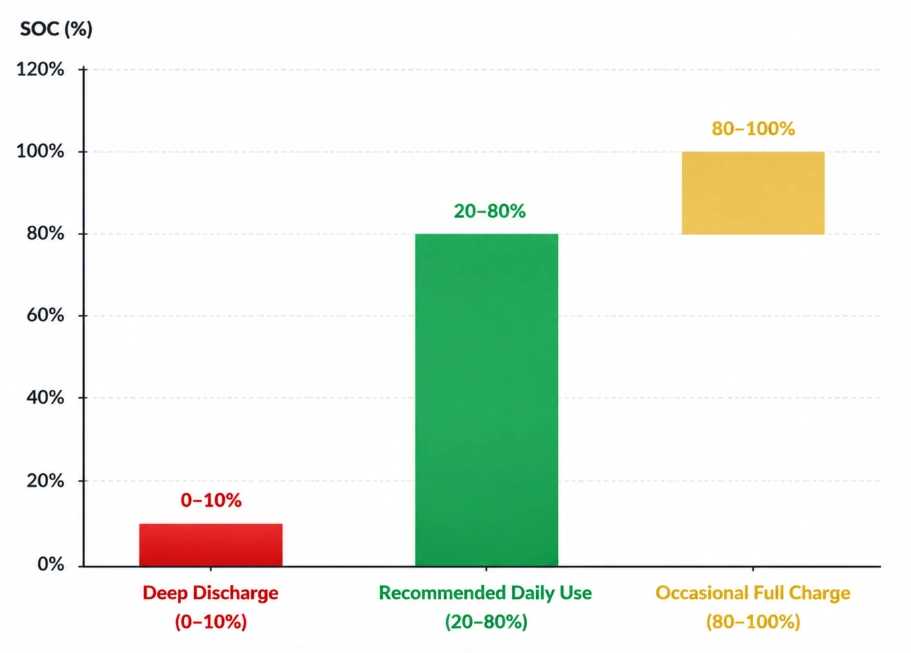
Una scarica profonda può causare:
Sbilanciamento delle celle
Capacità utile ridotta
• Maggiore sollecitazione della batteria
Un affidabile Battery Management System (BMS) aiuta a proteggere la batteria prevenendo condizioni di sovratensione, sottotensione, sovracorrente e temperatura eccessiva, garantendo un funzionamento a lungo termine più sicuro e stabile.
Installare la Batteria in un Ambiente Idoneo
Le condizioni di corretta installazione svolgono un ruolo importante nel mantenere le prestazioni, la sicurezza e la durata della batteria al litio. Un ambiente idoneo aiuta a prevenire danni causati da umidità, surriscaldamento e scarsa ventilazione.
Luogo asciutto
Tenere le batterie lontane da:
• Pioggia
Umidità
Perdita d'acqua
Condensa
L'umidità può danneggiare i terminali della batteria, i componenti elettronici e le connessioni di comunicazione.
Buona ventilazione
Assicurarsi che:
Flusso d'aria sufficiente
• Spazio sufficiente attorno alla batteria
Dissipazione efficace del calore
Da evitare:
• Armadi chiusi privi di ventilazione
• Impianti affollati
Evitare l'esposizione diretta alla luce solare
Per installazioni esterne, utilizzare:
• Involucri resistenti alle intemperie
Protezione dall'ombra
• Sistemi di gestione termica
Utilizzare Cablaggi e Connessioni Adeguati
Un cablaggio corretto è essenziale per mantenere l'efficienza della batteria, la sicurezza e prestazioni affidabili. Connessioni scadenti o una scelta errata dei cavi possono aumentare le perdite di energia e creare potenziali rischi per la sicurezza.
Utilizzare cavi della sezione corretta
Evitare cavi sottodimensionati, che possono causare:
Caduta di tensione
• Calore eccessivo
• Perdite di energia
Tenere la lunghezza del cavo corta
Cavi più corti aiutano:
Ridurre la resistenza
• Migliorare l'efficienza
• Minimizzare le perdite di tensione
Ispezionare i terminali della batteria
Controllare regolarmente:
• Collegamenti stretti
• Nessuna corrosione
• Nessun danno all’isolamento
• Terminali puliti
I collegamenti allentati o danneggiati possono causare:
• Aumento della resistenza elettrica
• Generazione di calore
Perdita di potenza
• Potenziali rischi per la sicurezza
Manutenere e configurare il Battery Management System (BMS)
Il Battery Management System (BMS) agisce come il "cervello" di un sistema di batterie al litio, aiutando a monitorare le condizioni della batteria e a migliorarne la sicurezza, l'efficienza e la durata.
Controllo e configurazione intelligenti del sistema BMS della batteria al litio
Bilanciamento delle celle
Previene:
• Celle sovraccariche
• Celle con carica insufficiente
Squilibrio di capacità
Protezione da sovraccarico e scarica
Protegge da:
• Sovraccarico
• Scarica eccessiva
• Corrente eccessiva
• Cortocircuiti
Monitoraggio della temperatura e dello stato di carica (SOC)
Brani:
• Temperatura della batteria
• Stato di carica e scarica
Capacità residua
Allarmi di guasto
I sistemi BMS intelligenti forniscono:
• Notifiche di avviso
• Registri di errore
Monitoraggio remoto
Evitare stoccaggio a lungo termine senza uso
Le batterie al litio richiedono una corretta preparazione prima di essere riposte per lunghi periodi per prevenire la perdita di capacità e il degrado delle prestazioni.
Prima dello stoccaggio
Raccomandato:
• Mantenere la batteria a un livello di carica (SOC) compreso tra il 40% e il 60% circa
• Scollegare carichi non necessari
• Conservare in un ambiente asciutto
• Controllare la tensione della batteria ogni 3-6 mesi
Da evitare:
• Lasciare la batteria completamente scarica
• Mantenere la batteria al livello di carica 100% per mesi
• Conservazione a temperature estreme
Proteggersi dalle improvvise sovratensioni di corrente
Gli apparecchi ad alta potenza possono generare picchi di corrente improvvisi che potrebbero mettere a dura prova la batteria e comprometterne le prestazioni.
Esempi comuni:
Condizionatori d'aria
• Pompe dell'acqua
Motori
Compressori
Le forti correnti di spunto possono causare:
• Stress della cella della batteria
• Attivazione della protezione BMS
• Durata di vita ridotta
Soluzioni:
• Selezionare un inverter di dimensioni adeguate
• Verificare i requisiti di potenza di picco
• Evitare il funzionamento prolungato in condizioni di sovraccarico
Mantieni aggiornati il firmware e le impostazioni di sistema
I moderni sistemi di batterie al litio si basano sulla comunicazione tra il BMS della batteria, l'inverter ibrido e il sistema di gestione dell'energia.
Problemi firmware possono portare a:
Comportamento di ricarica errato
Errori di comunicazione
• Falsi avvisi di protezione
Raccomandato:
• Utilizzare impostazioni dell'inverter compatibili
• Aggiornare il firmware quando necessario
• Verificare i protocolli di comunicazione CAN/RS485
Programma di manutenzione raccomandato per batterie al litio da 48V
La manutenzione regolare aiuta a mantenere Batteria al litio da 48V prestazioni, sicurezza e affidabilità. Ispezioni semplici agli intervalli giusti possono contribuire a prolungare durata della batteria solare e prevenire potenziali problemi.
Cronologia di Manutenzione delle Batterie LiFePO4:
| Frequenza | Controlli consigliati |
|---|---|
| Mensile | Controllare SOC, rivedere i dati BMS, monitorare la temperatura, controllare le prestazioni di ricarica |
| Ogni 3 mesi | Ispezionare i terminali, verificare i parametri di ricarica, controllare i collegamenti dei cavi |
| Annuale | Verifica l'ambiente di installazione, le condizioni dell'involucro, la compatibilità dell'inverter |
A seguito di un regolare Manutenzione della batteria da 48V pianificare aiuta a migliorare l'affidabilità del sistema e a estendere la vita utile di Batterie solari LiFePO4.
Errori comuni che riducono la durata delle batterie solari
Evitare errori comuni è importante tanto quanto la corretta manutenzione. I seguenti problemi possono accelerare l'invecchiamento della batteria, ridurre l'efficienza e accorciare la durata dei sistemi di accumulo di energia solare.
7 Errori Comuni Che Danneggiano le Batterie al Litio
Ricarica a temperatura di congelamento
Esposizione eccessiva al calore
Impostazioni errate del caricabatterie
Scarica profonda
Scarsa ventilazione
Connessioni del cavo allentate
Ignorare avvisi BMS
La maggior parte dei problemi di durata della batteria sono causati da una ricarica impropria, dalla gestione della temperatura, dall'installazione o dal funzionamento. Evitare questi errori aiuta a mantenere la batteria funzionante in modo sicuro ed efficiente.
Conclusione
Una corretta manutenzione è essenziale per massimizzare la durata, la sicurezza e le prestazioni dei sistemi di batterie al litio. Mantenendo temperature operative adeguate, utilizzando impostazioni di ricarica corrette, proteggendo la batteria con un BMS intelligente ed eseguendo ispezioni regolari, gli utenti possono ottenere prestazioni di accumulo di energia più affidabili ed efficienti.
In qualità di fornitore affidabile di soluzioni per l'energia solare, Sunpal offre avanzati Soluzioni di accumulo con batterie LiFePO4 progettati per applicazioni residenziali, commerciali e off-grid. Se combinati con adeguate pratiche di manutenzione, i sistemi di batterie al litio Sunpal aiutano i clienti a ottenere un funzionamento più sicuro, una maggiore durata e un'indipendenza energetica affidabile.