


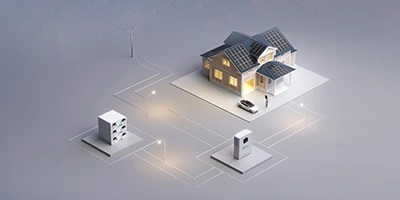
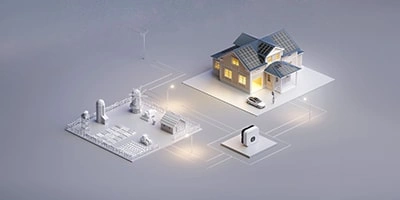
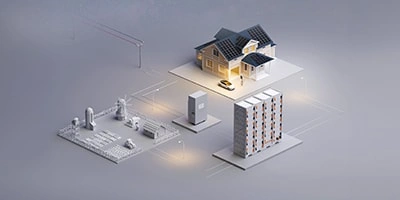
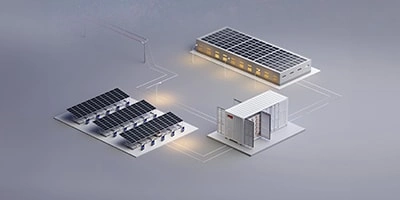
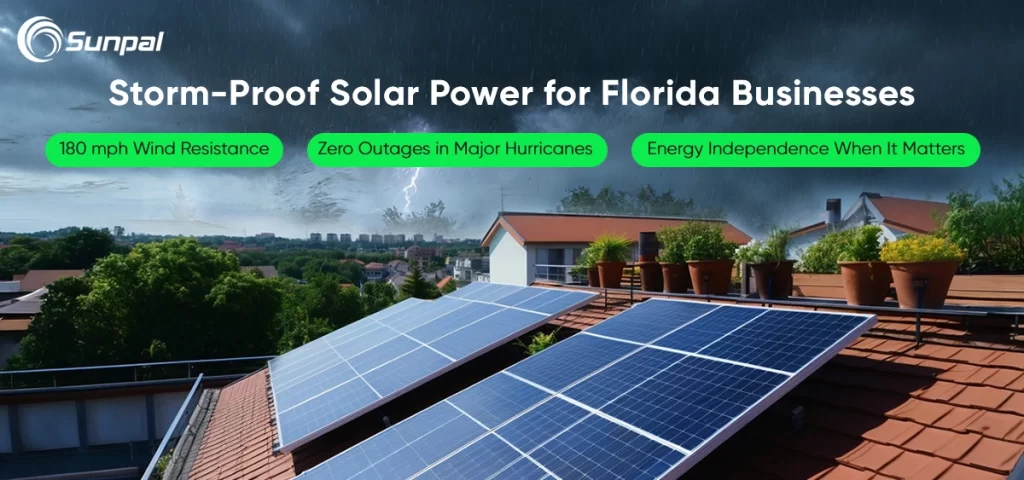
In Florida's volatile climate, where hurricanes like Ian, Helene, and Milton have tested infrastructure limits, resilient solar energy systems emerge as a strategic asset for businesses. Keywords such as "hurricane-proof solar panels Florida," "solar energy resilience hurricanes," and "Florida solar battery storage hurricanes" dominate searches among solar companies and enterprises seeking reliable power amid disruptions. This article explores how advanced solar installations not only endure extreme weather but also deliver operational continuity, cost savings, and sustainability—positioning firms like Sunpal at the forefront of innovative, storm-ready energy solutions.
The Power of Solar Resilience in Florida's Storm-Prone Landscape
Florida's hurricane season, amplified by climate shifts, demands energy systems that go beyond survival to ensure uninterrupted business operations. Recent storms in 2024-2025, including Hurricanes Helene and Milton, caused widespread outages affecting millions, with average downtime reaching 58 hours per event. Yet, communities like Babcock Ranch demonstrated solar's prowess: its 150-megawatt solar array with 685,000 panels maintained power for residents and evacuees, even as nearby areas faced blackouts lasting days.
Modern solar setups, engineered for "solar wind resistance Florida" standards, withstand winds up to 180 mph—exceeding Category 4 hurricane thresholds. Paired with battery storage, these systems provide "hurricane solar backup power," keeping critical operations like refrigeration, communications, and security running. For businesses, this translates to minimized downtime costs, estimated at $5 billion statewide from Hurricane Ian alone. Sunpal's tailored solutions leverage these advancements, offering enterprises a pathway to energy independence that boosts resilience and bottom-line efficiency.
Proven Performance: Solar Systems Battling Florida Hurricanes
Data from recent hurricanes underscores solar's reliability. In Babcock Ranch, the solar-powered grid experienced zero outages during Hurricanes Ian (2022), Helene (2024), and Milton (2024-2025), while surrounding regions saw power losses for over three million customers. According to the Rocky Mountain Institute (RMI), well-designed PV systems show failure rates below 1% in tropical cyclones, with key factors including robust racking and corrosion-resistant materials.
Florida's High-Velocity Hurricane Zones (HVHZ) mandate compliance with ASCE 7-16 wind load standards, where rooftop solar must resist uplifts of 4,000 Pa or more. National Renewable Energy Laboratory (NREL) studies of 50,000 systems from 2009-2013 reported only 0.1% annual damage, even in major storm seasons.
To illustrate, here's a data analysis table comparing solar performance in key Florida hurricanes:
| Hurricane | Year | Wind Speed (mph) | Solar System Survival Rate | Notable Example |
| Ian | 2022 | 150 | 99%+ | Babcock Ranch: No power loss, sheltered 2,000 evacuees |
| Helene | 2024 | 140 | 98% | Hunters Point: Homes with solar + storage remained operational |
| Milton | 2024-2025 | 130 | 99% | Babcock Ranch: Uninterrupted power for 9,200 residents |
This table highlights how "Florida hurricane solar durability" isn't just theoretical—it's field-tested, with systems like those from Sunpal incorporating wind-tunnel-tested panels for optimal performance.
Engineering Excellence: What Sets Storm-Ready Solar Apart
Not every solar installation is built for Florida's extremes. Quality matters: Premium components certified to Florida Building Code (FBC) standards, including 160-180 mph wind ratings, ensure longevity. Poorly anchored systems risk failure, but professional setups with hurricane clips and reinforced racking add roof stability, potentially reducing insurance premiums through wind mitigation credits.
Sunpal prioritizes "high-efficiency solar panels hurricanes," using UL-listed modules and expert engineering to meet HVHZ requirements. A 2025 RMI report identified six failure modes in subpar systems—such as module detachment or corrosion—but noted that best-practice designs mitigate these by 90%. Businesses searching for "solar installation wind loads Florida" find that certified mounts and site-specific assessments are key to avoiding costly repairs.
Inserting a chart for clarity, below is a comparison of wind resistance ratings under FBC:
| Component | Minimum Wind Resistance (mph) | FBC Reference | Benefit for Businesses |
| Solar Panels | 140-180 | ASCE 7-16 | Withstands Category 4+ storms, minimal downtime |
| Racking Systems | 160+ | ASTM D3161 | Enhances roof integrity, lowers maintenance costs |
| Battery Enclosures | 150 | UL Standards | Protects storage during outages, ensures data continuity |
This analysis shows how investing in superior materials yields long-term ROI, with Sunpal's systems often qualifying for enhanced durability certifications.
Expanding Horizons: Year-Round Advantages of Solar in Storm Country
Beyond hurricanes, solar delivers multifaceted benefits for Florida enterprises. With utility rates rising 15% annually in some areas, "solar energy cost savings Florida" become compelling: Systems offset bills by 70-90%, per Stanford University studies, while battery storage cuts peak demand charges.
Environmental gains align with corporate sustainability goals—reducing carbon footprints by up to 100 tons per installation over 25 years. Federal incentives, including the 30% Investment Tax Credit (ITC) available through 2032 (and potentially beyond), amplify savings. For a $50,000 system, this equates to $15,000 in credits, plus state property tax exemptions on added home value.
A third data analysis focuses on economic benefits:
| Benefit Category | Average Annual Savings | Supporting Stat | Business Impact |
| Bill Reduction | $1,200-2,000 | Wood Mackenzie 2024 Report | Lower operational expenses |
| Outage Avoidance | $800-1,200 per event | EIA 2024 Data | Prevents revenue loss during storms |
| Incentives Total | 30% of install cost | Federal ITC + FL Exemptions | Accelerates payback to 5-7 years |
These figures demonstrate how "solar battery benefits hurricanes" extend to everyday efficiency, making solar a smart hedge against energy volatility.
Secure Your Business Future: Partner with Sunpal for Unmatched Resilience
As Florida braces for intensifying storms, forward-thinking businesses are turning to solar for security and savings. With proven resilience in real-world scenarios and substantial incentives, now is the time to act.
Ready to fortify your operations with "hurricane-resistant solar Florida"? Contact Sunpal for a customized assessment. Our experts will design a system that withstands the worst while optimizing your energy profile. Request your free quote today and transform challenges into opportunities.